
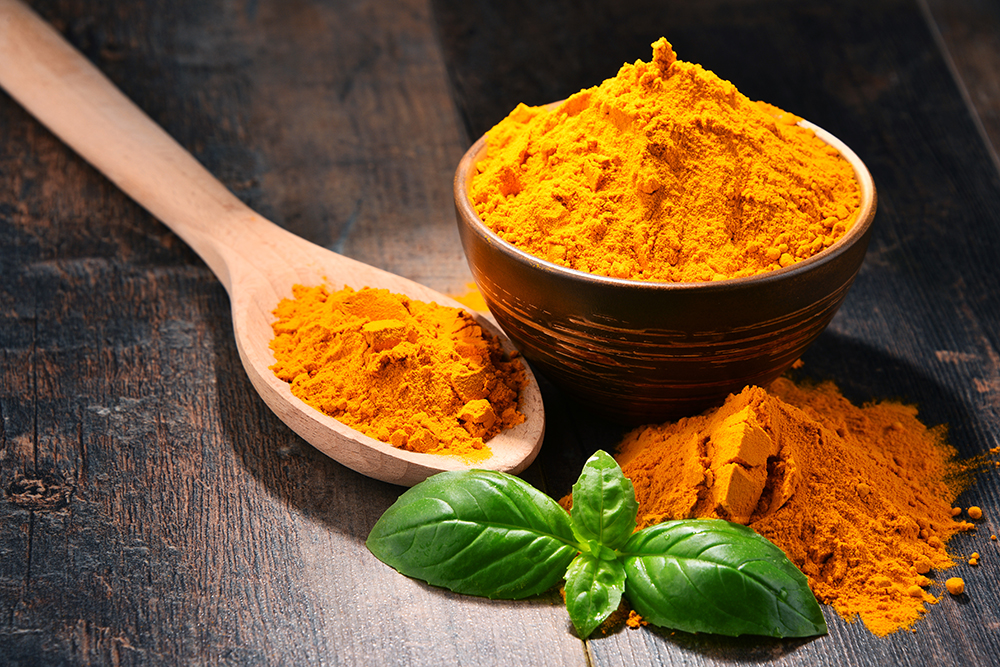
The ancient Greeks had a simple philosophy for living well: “Everything in moderation.” It’s advice that has stood the test of time, yet somehow, in our modern quest for better health, we seem determined to ignore it.
Every day, we’re bombarded with advice about what we should eat, drink, or take to cure what ails us. Turn on the television, scroll through social media, or browse the shelves of a health food store, and you’ll find no shortage of products promising miraculous results. One supplement will supposedly ease your aches and pains, another will fight inflammation, and yet another may claim to be the answer to just about everything short of immortality.
The trouble is that when something sounds too good to be true, it often is. Even products touted as natural and harmless can have unwanted side effects, interact with medications, or cause harm when taken in excessive amounts. Good intentions and clever marketing are no substitute for understanding what we put into our bodies.
Which brings us to turmeric. This bright golden spice has been used for centuries in traditional medicine and has attracted considerable modern interest for its potential health benefits. But is turmeric truly the wonder supplement some claim it to be, or has its reputation gotten a little ahead of the evidence? And just as importantly, can something beneficial become harmful when we take too much of it?
Let’s separate the promise from the science and take a closer look at what turmeric can and cannot do for our health.
Raw turmeric is useful, but much less magical than the hype suggests. The main active compound is curcumin, and the best evidence points to modest anti-inflammatory effects, not a cure-all. Turmeric is generally good for:
Inflammation: Curcumin can reduce some markers of inflammation. This is probably its most plausible benefit.
Osteoarthritis/joint pain: There’s reasonably good evidence that standardized curcumin extracts can modestly reduce pain and improve function in people with knee osteoarthritis. The evidence is much stronger for extracts than for simply eating raw turmeric. (Rheumatoid
arthritis: Turmeric/curcumin has some evidence of anti-inflammatory and pain-relieving effects, but the evidence is still not strong enough to consider turmeric a treatment for RA.)
Antioxidant activity: Curcumin has antioxidant properties, although what happens in a test tube doesn’t necessarily translate into a major health benefit from eating turmeric.
Cooking/nutrition: Fresh turmeric is a perfectly good flavorful root and provides small amounts of fiber and other plant compounds. This is probably the most straightforward reason to eat it regularly.
Claims that turmeric will “detox” you, prevent cancer, dramatically boost immunity, melt belly fat, or cure chronic disease go well beyond the evidence.
And there’s an important distinction: raw turmeric – a high-dose curcumin supplement. Turmeric contains only a relatively small amount of curcumin, and curcumin is poorly absorbed. Adding black pepper (piperine) can substantially increase absorption, which is why the combination shows up in supplements, but greater absorption also means greater exposure and isn’t automatically better.
So, is eating fresh turmeric worth it? Sure. If you enjoy it, adding fresh turmeric to food is a reasonably healthy habit. But the bottom line is that turmeric is a useful spice/plant food with potentially modest anti-inflammatory benefits, not medicine.
If you have the actual fresh root, keep it in the food category rather than thinking of it as a medicinal dose. Start with about ½–1 teaspoon of freshly grated turmeric root per day, mixed into food, and see how you tolerate it. If it agrees with you, using roughly 1–2 teaspoons a day spread across meals is a reasonable culinary amount.
More isn’t necessarily better. Turmeric can be grated into scrambled eggs, soups or stews, rice, roasted vegetables, sauces, smoothies and marinades. A little black pepper and some fat (olive oil, avocado, etc.) with the meal may increase curcumin absorption.
AS ALWAYS, CHECK WITH YOUR DOCTOR BEFORE ADDING ANYTHING TO YOUR EVERYDAY DIET! Especially if you are taking medications, getting treatment for a condition, during pregnancy or if you are nursing.
Ask your doctor, “Is it okay for me to eat fresh turmeric as a food, approximately a teaspoon a day?”
And be very careful before consuming concentrated curcumin/piperine supplement without clearance. There have been reports of liver toxicity with some highly bioavailable curcumin products.